Residential vs Commercial Property: Which Should You Buy?
Residential vs commercial property in Delhi compared: loans, GST, tax benefits, rent, risk and resale, with a simple checklist to decide which fits you.
 Neev Residency teamUpdated 6 min read
General information, not legal advice. Confirm with a lawyer or your sub-registrar.
On this page
A flat for your family, or a shop that pays you rent? Many buyers in West Delhi weigh the two. The answer depends less on which is "better" and more on what you want the property to do for you. Here's a plain comparison.
What is the difference between residential and commercial property?
Residential property is meant for people to live in: flats, builder floors, independent houses and villas.
Commercial property is meant for business: shops, showrooms, offices, warehouses and similar spaces.
The difference isn't only how it's used. It changes the loan you can get, the taxes you pay, who your tenants are and how easy it is to sell later.
Residential vs commercial: a side-by-side comparison
| Residential | Commercial | |
|---|---|---|
| Main purpose | A home to live in, or rent to a family | Rent to a business, or use for your own business |
| Budget needed | Lower entry point | Usually higher for the same size |
| Loan | Home loan; RBI allows up to 90% of value on smaller loans | Commercial property loan, usually on stricter terms |
| GST on purchase | None on ready or resale flats; 5% (1% affordable) under construction | Applies on under-construction units; check with your CA |
| GST on rent | Exempt when rented as a home | 18% |
| Income tax benefits | Deductions on home loan interest and principal | Not available as a home loan benefit |
| Tenants | Families; large pool of tenants | Businesses; fewer, longer leases |
| Vacancy risk | Lower; homes rent quickly | Higher; a shop can stay empty for months |
| Resale | Large pool of buyers | Smaller pool; depends on location and footfall |
Which is easier to finance?
Residential, by a clear margin. Home loans are the most common loans banks make, and RBI rules let lenders fund up to 90% of the property's value for smaller loans, 80% for mid-sized loans and 75% above ₹75 lakh.
Shops and offices are financed through separate loan products, often called a commercial property loan or a loan against property. Lenders treat them as riskier, so expect a larger down payment and closer scrutiny of your income. Ask two or three lenders for their terms before you commit.
To see what a home loan EMI looks like, try our EMI calculator.
How do taxes compare?
GST when you buy
The GST Council's FAQs set out the rules for residential property:
- Under-construction flat: GST at 5%, or 1% for an affordable home, without input tax credit.
- Ready flat with a completion certificate, or one sold after first occupation: no GST.
- Resale flat: no GST, because it isn't a sale by a builder.
So a ready or resale flat, like the ones Neev Residency lists, carries no GST on the purchase price.
GST on rent
Renting a home to someone for use as a residence is exempt from GST. Renting out commercial space is a taxable service at 18%, and the landlord may need to register for GST and charge it on the rent.
Stamp duty and registration
Both kinds of property attract stamp duty and registration charges when the sale deed is registered. Work out the amount for a home in Delhi with our stamp duty calculator, and read our guide to stamp duty in Delhi.
Income tax
Rent from either kind of property is taxed as income from house property. But the home loan deductions, on interest for a self-occupied home and on principal repayment, are for a residential house. The limits and conditions differ between the old and new tax regimes, so confirm your case with a chartered accountant.
Which earns more rent?
Commercial property usually earns higher rent for its price than a flat, and business leases often run longer with built-in rent increases. That's the main reason investors look at shops and offices.
The catch is vacancy. Families always need homes, so a well-kept flat near the metro rarely stays empty for long. A shop depends on footfall and on the local business climate; when a tenant leaves, finding the next one can take months, and you earn nothing in that time.
Which is less risky?
For most first-time buyers, residential carries less risk:
- More buyers and tenants. A flat in a busy residential area can be sold or let to a wide range of people.
- Lower ticket size. You can start with a 1 or 2 BHK and upgrade later.
- You can live in it. If the market slows, a home still has a use.
Commercial property rewards buyers who know the local market well, have a bigger budget and can wait out slow periods.
What should you check before buying either?
The checks are the same, whatever the property type:
- Papers: a registered sale deed in the seller's name and the earlier chain of deeds. Read GPA vs registry in Delhi before you buy.
- Approved use: whether the building and the floor are approved for the use you have in mind. Running a shop or office from a residential building is allowed only where the land use and local rules permit it.
- Dues: property tax, electricity and water bills paid up to date.
- Size: whether the size quoted is carpet area or super area.
- Location: distance from the metro, the main road and the market. For commercial space, watch the footfall at different times of day.
So which should you buy?
Choose residential if you're buying your first property, you want to live in it, you need a home loan, or you want a tenant you can find easily.
Choose commercial if you already own a home, you have a larger budget and spare savings, you understand the local market, and you can wait for the right tenant.
For most families in West Delhi, a registry flat near the metro is the natural first step. Neev Residency lists 1, 2 and 3 BHK flats in Uttam Nagar, Dwarka Mor and Nawada:
Browse all flats or ask us on WhatsApp what fits your budget.
Frequently asked questions
Is residential or commercial property a better investment?
It depends on your goal. Residential suits buyers who want to live in the property or need a steady, easy-to-find tenant. Commercial can earn more rent but needs a bigger budget and patience for vacancies.
Is GST charged when you buy a flat?
Only on an under-construction flat: 5%, or 1% for an affordable home, without input tax credit. There is no GST on a ready flat sold after its completion certificate, or on a resale flat.
Is GST charged on rent?
Renting a home to someone who lives in it is exempt. Renting out commercial space such as a shop or office is a taxable service at 18% GST.
Can I claim home loan tax benefits on a shop or office?
No. The deductions for home loan interest and principal are for a residential house. Rules differ between the old and new tax regimes, so check with a chartered accountant.
Can I run a shop or office from a residential flat?
Only where the land use and local rules allow it. Before you buy for business use, check what the property is approved for, and ask a lawyer if you are unsure.
General information, not legal advice. Confirm with a lawyer or your sub-registrar.
Sources
Area guides
Flats mentioned in this guide
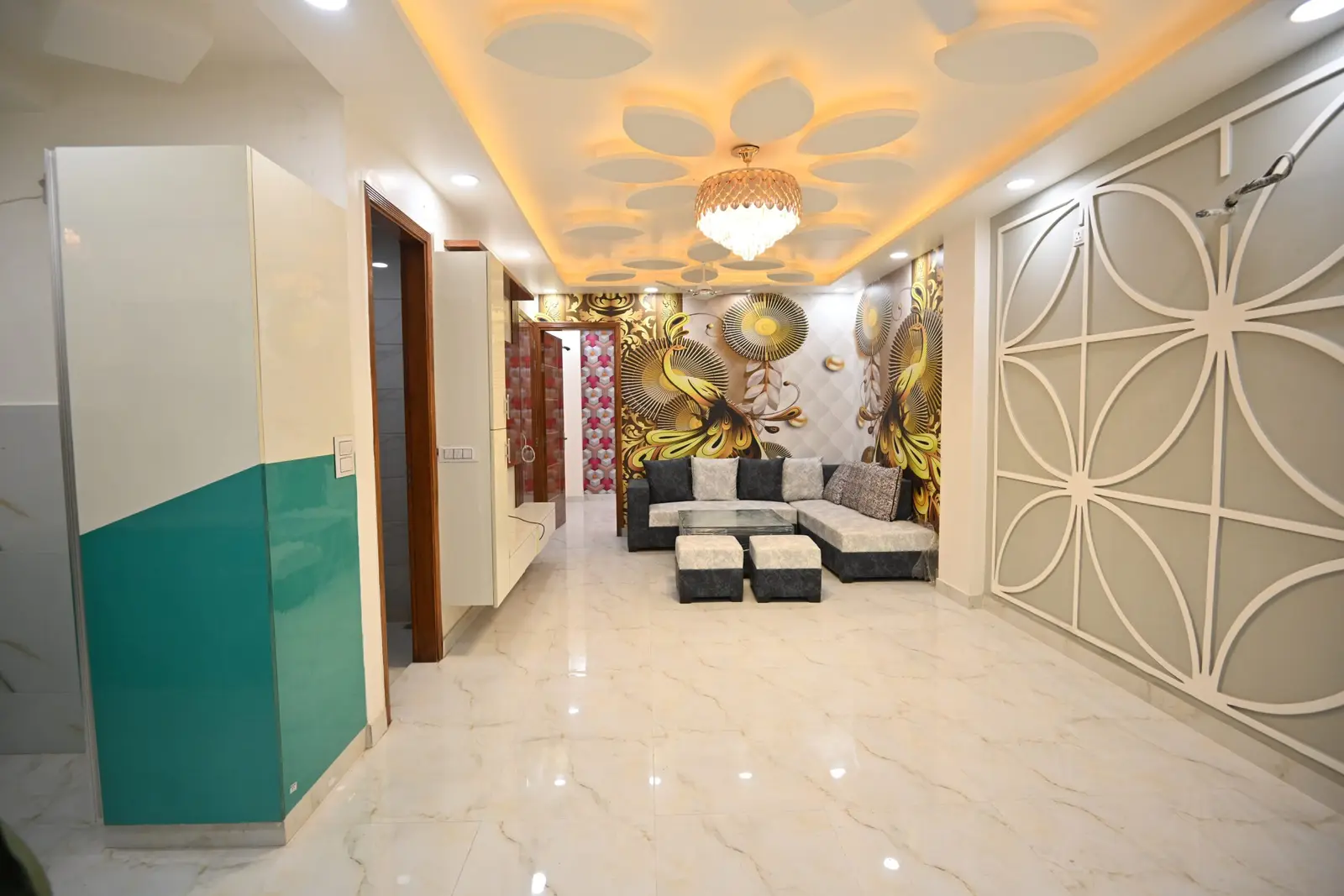 6 photos#202602
Price on call
Call for price3 BHK Flat Near Metro, Uttam Nagar
3 BHK Flat · Uttam Nagar
855 sq ft · Semi or fully furnished
- Near Metro
- Lift
- Parking
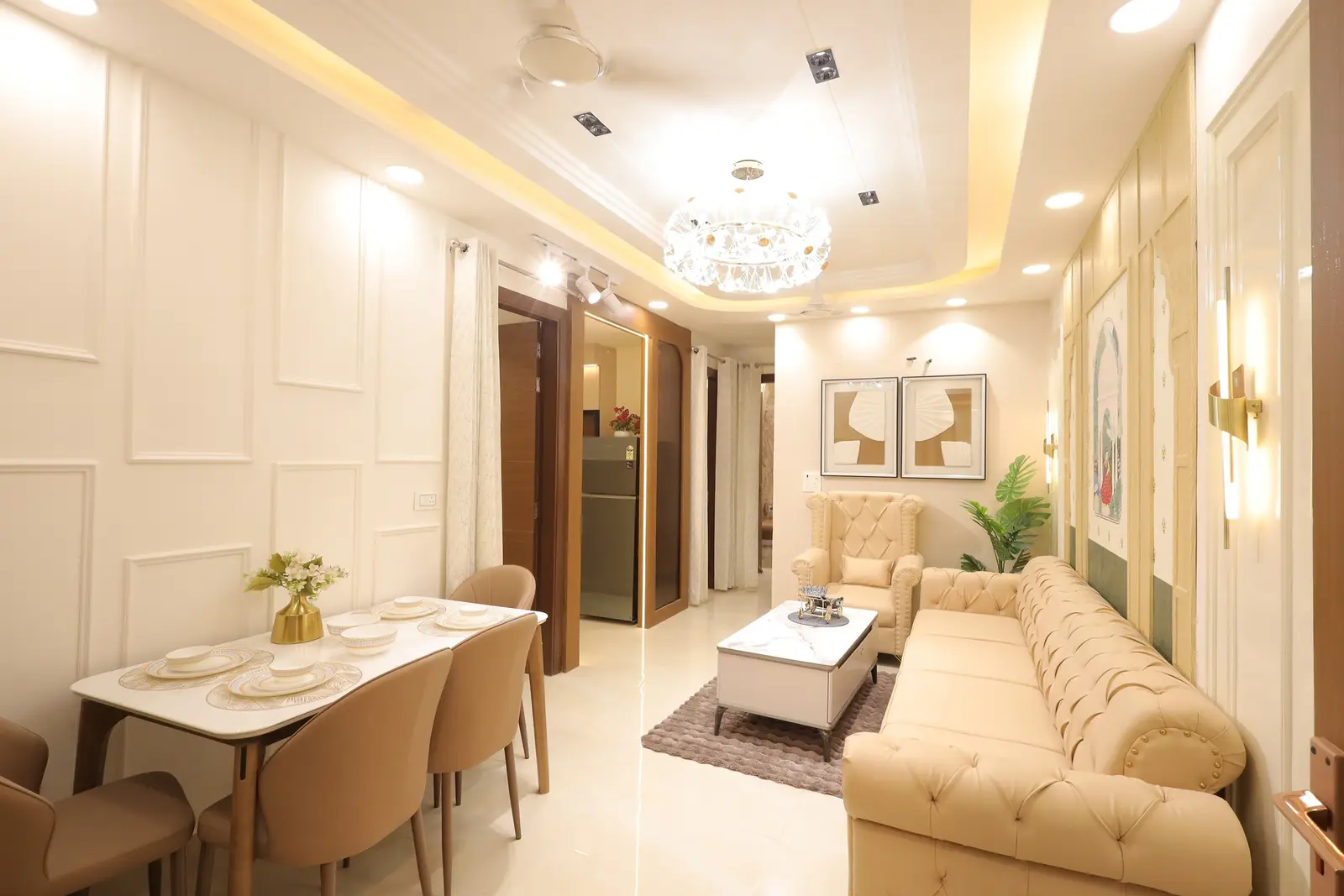 7 photos#202606
Price on call
Call for price3 BHK On-Road Flat, Nawada
3 BHK Flat · Nawada
900 sq ft
- Near Metro
- Lift
- Parking
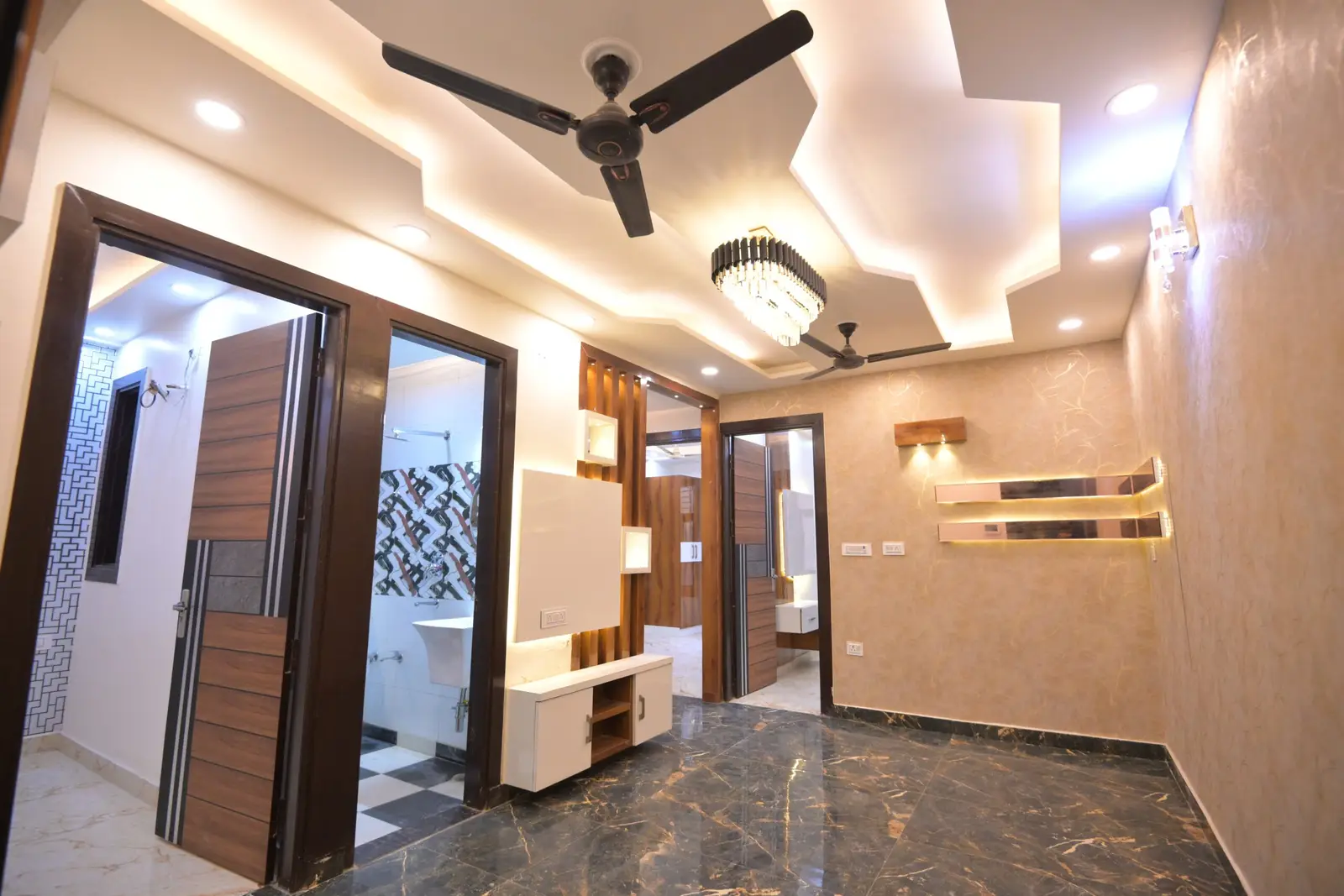 5 photos#202605
Price on call
Call for price2 BHK Registry Flat, Dwarka Mor
2 BHK Flat · Dwarka Mor
495 sq ft
- Registry
- Lift
- Parking