GPA vs Registry in Delhi: Which Property Is Safe to Buy in 2026?
Registry vs GPA flats in Delhi explained: what each means, why GPA is risky, what the 2026 colony regularisation changes, and the papers to check.
 Neev Residency teamUpdated 4 min read
General information, not legal advice. Confirm with a lawyer or your sub-registrar.
On this page
When you look at flats in West Delhi you will hear two words again and again: registry and GPA. They decide whether you actually own the flat you pay for, whether a bank will lend on it, and how easily you can sell it later.
What is a registry flat?
A registry flat is one where the seller signs a sale deed in your favour and it is registered at the Sub-Registrar's office, with stamp duty and the registration fee paid. Once registered, the sale deed is the legal proof that the flat has passed from the seller to you.
In everyday Delhi property talk, "registry hai" means exactly this: there is a registered sale deed in the seller's name, and a new one can be registered in yours.
What is a GPA flat?
A GPA flat is usually held on a set of documents instead of a sale deed:
- a General Power of Attorney (GPA), letting the buyer act on the seller's behalf,
- an agreement to sell,
- a will in the buyer's favour, and often
- an affidavit and a receipt for the payment.
Why is a GPA flat risky?
In Suraj Lamp & Industries Pvt. Ltd. v. State of Haryana (Supreme Court of India, 11 October 2011), the Court held that transactions through a GPA, an agreement to sell or a will do not convey title. Immovable property is legally transferred only by a registered deed of conveyance.
The Court also made clear that genuine powers of attorney and sale agreements are not affected: for example, a power of attorney given to a spouse or relative to manage property, or an agreement with a developer to build on land.
In practice this means:
- You may not be the legal owner, even after paying the full price.
- A home loan may be hard to get: banks ask for the title deed, the chain of earlier deeds and an encumbrance certificate, which a GPA flat usually can't provide.
- Selling later is harder: the Delhi Revenue Department says any further transfer is permitted only through a registered sale deed.
- Disputes are harder to defend: the Revenue Department warns that without title, your legal position in court remains at a disadvantage.
What does the 2026 regularisation change?
In April 2026, Union Housing and Urban Affairs Minister Manohar Lal, with Delhi Chief Minister Rekha Gupta, announced that 1,511 unauthorised colonies in Delhi that do not fall under the exclusion criteria will be regularised on an "as-is-where-is" basis. The announcement covers about 45 lakh residents.
Check the current application process on the MCD website or with a lawyer. If you are buying in a colony under regularisation, check two things separately:
- the colony's status, and
- the flat's own chain of documents, ending in a registered sale deed you can get in your name.
Which documents should you check before you pay?
- The registered sale deed in the seller's name, and the earlier sale deeds in the chain
- The seller's ID and address proof, matching the deed
- The latest property tax receipt and recent electricity and water bills
- A loan closure letter if the flat was ever mortgaged
- For a builder floor: the building plan and the parking allotment
- If anything is held on GPA: every document in the GPA chain, for your lawyer to review
Never pay a token amount before you have seen these papers.
Can you get a home loan on a GPA flat?
Before lending, banks ask for the title deed, the chain of earlier deeds and an encumbrance certificate. A flat held only on GPA usually can't provide these, so check with your bank before paying a token amount. If you need a loan, ask for a registry flat from the start. You can check what a loan will cost with our EMI calculator, and what registration will cost with the stamp duty calculator.
How can Neev Residency help?
We tell you upfront whether a flat is registry or GPA, go through the papers with you before you pay, and help arrange the home loan with the bank, subject to the bank's approval. See our current registry flats, or read the area guides for Uttam Nagar and Nawada.
Frequently asked questions
Is it safe to buy a GPA flat in Delhi?
It carries more risk than a registry flat. GPA papers do not make you the legal owner, a bank will usually ask for papers a GPA flat can't provide, and selling later is harder. If you are offered a GPA flat, ask a lawyer whether it can be converted to a registered sale deed before you pay.
Can I get a home loan on a GPA property?
Before lending, banks ask for the title deed, the chain of earlier deeds and an encumbrance certificate. A flat held only on GPA usually can't provide these, so check with your bank before paying a token amount.
What does registry mean in Delhi property?
Registry is the common word for a sale deed registered at the Sub-Registrar's office, with stamp duty and registration fees paid. It is the document that transfers ownership to you.
Does the 2026 regularisation of unauthorised colonies make GPA flats safe?
Ask a lawyer. Check both the colony's regularisation status and whether a sale deed for the flat can be registered in your name.
Can a GPA flat be converted to registry?
Often, yes. The Delhi Revenue Department says people who entered into GPA, agreement-to-sell or will transactions can regularise them by obtaining a registered deed of conveyance. Have a lawyer check the earlier documents first.
General information, not legal advice. Confirm with a lawyer or your sub-registrar.
Sources
- Supreme Court of India: Suraj Lamp & Industries Pvt. Ltd. v. State of Haryana, (2012) 1 SCC 656, SLP (C) 13917/2009, decided 11 October 2011
- Government of NCT of Delhi, Revenue Department: FAQs on the Supreme Court judgment of 11.10.2011
- All India Radio News: Centre announces regularisation of unauthorised colonies in Delhi on as-is-where-is basis (8 April 2026)
- Federal Bank: List of documents required for housing loans
Area guides
Flats mentioned in this guide
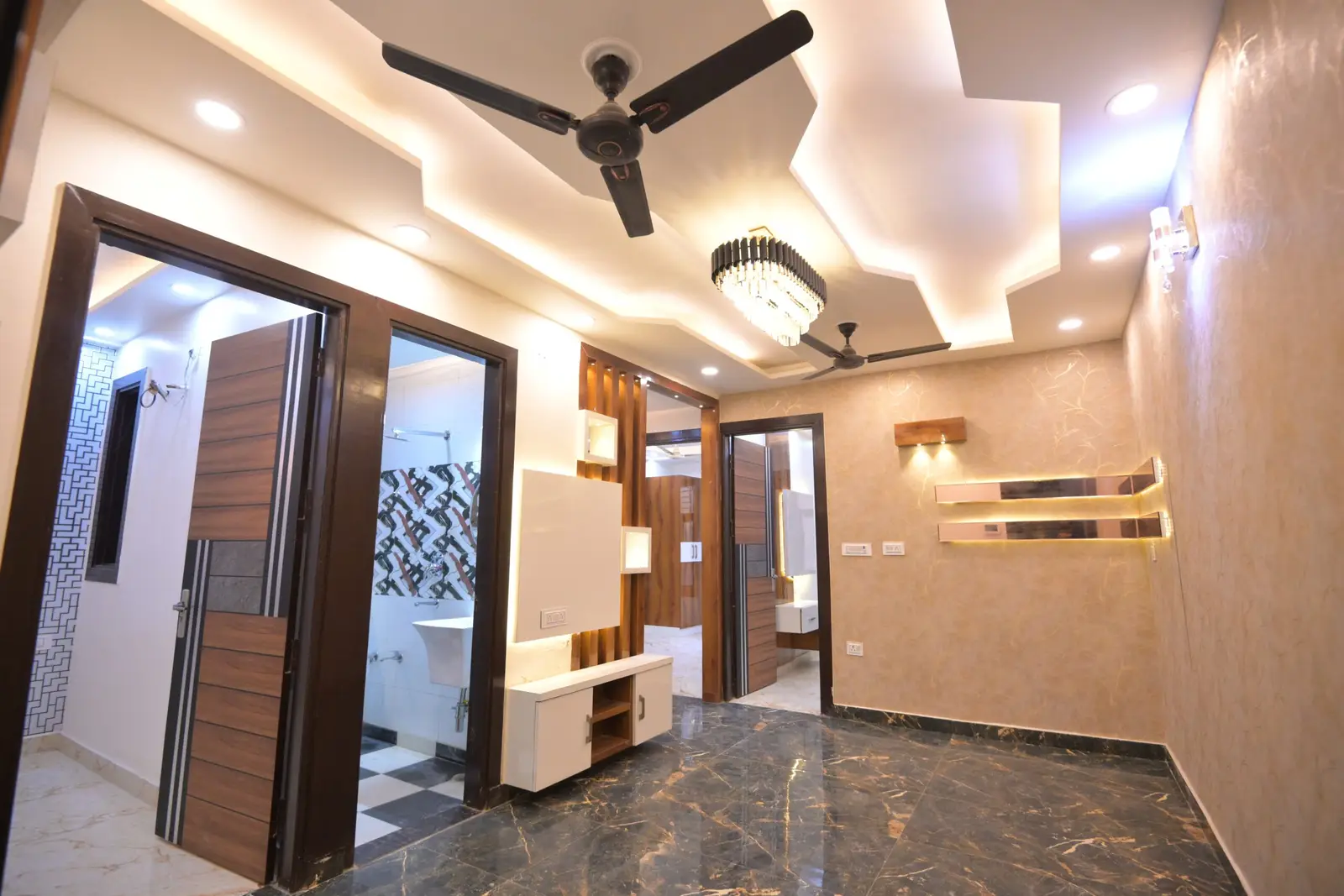 5 photos#202605
Price on call
Call for price2 BHK Registry Flat, Dwarka Mor
2 BHK Flat · Dwarka Mor
495 sq ft
- Registry
- Lift
- Parking
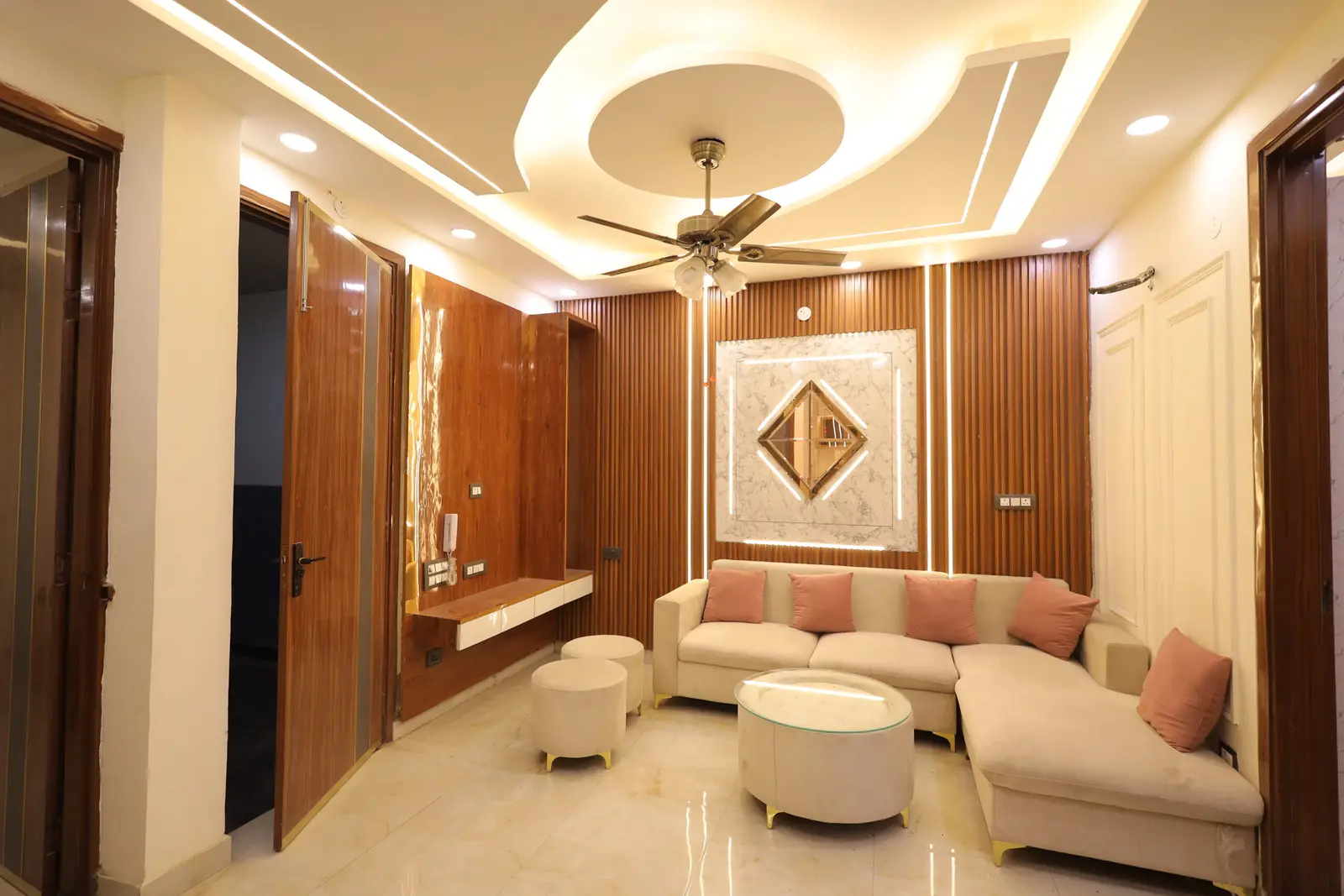 7 photos#202607
Price on call
Call for price3 BHK Registry Flat, Nawada
3 BHK Flat · Nawada
720 sq ft
- Registry
- Near Metro
- Lift
- Parking
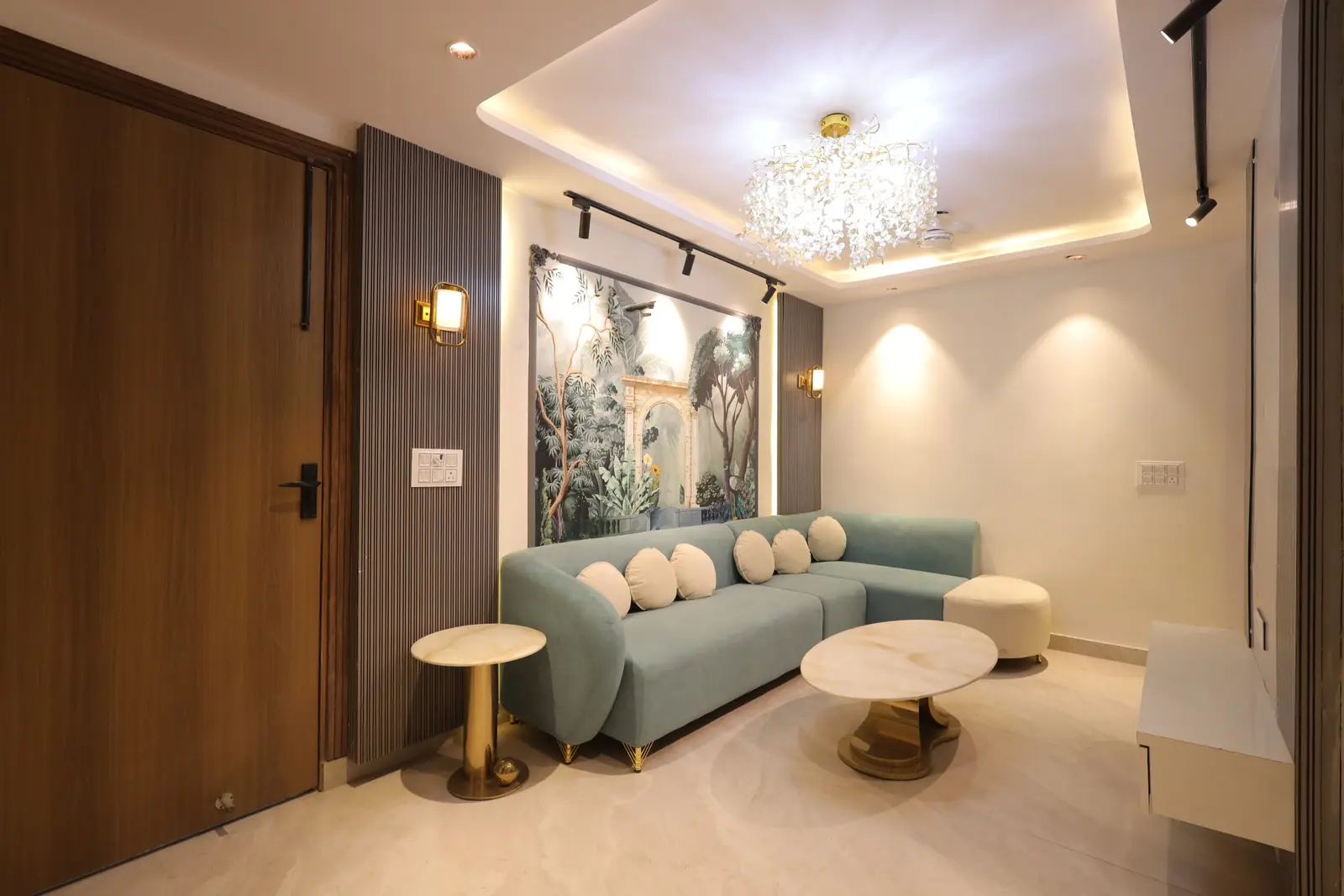 7 photos#202608
Price on call
Call for price3 BHK Registry Flat, Nawada
3 BHK Flat · Nawada
810 sq ft
- Registry
- Near Metro
- Lift
- Parking